Lung infections: what every patient should know
From tuberculosis to the flu, most lung infections start small — a cough, a sore throat, a mild fever. This page explains how they spread, why some seasons and situations bring more of them, and why they deserve extra respect if you live with asthma, COPD or ILD.

Two broad kinds of lung infection
Both can affect anyone, and both range from mild to serious — but they behave differently, which is why prevention and treatment differ too.
Tuberculosis (TB)
A slow-growing bacterial infection that usually settles in the lungs and spreads through the air when an untreated person coughs. India carries a large share of the world's TB burden, so it stays a year-round, background risk rather than a “seasonal” illness. It typically causes a cough lasting more than two weeks, evening fever, night sweats and unintended weight loss — but it is fully curable with a complete course of medicines.
Influenza, H1N1 and other respiratory viruses
Seasonal influenza, the H1N1 (“swine flu”) strain, RSV, common-cold viruses and other circulating respiratory viruses spread quickly through droplets and contaminated hands. Most infections are short and self-limiting, but they can occasionally trigger severe pneumonia — especially in the very young, the elderly, pregnant women and people with underlying lung disease.
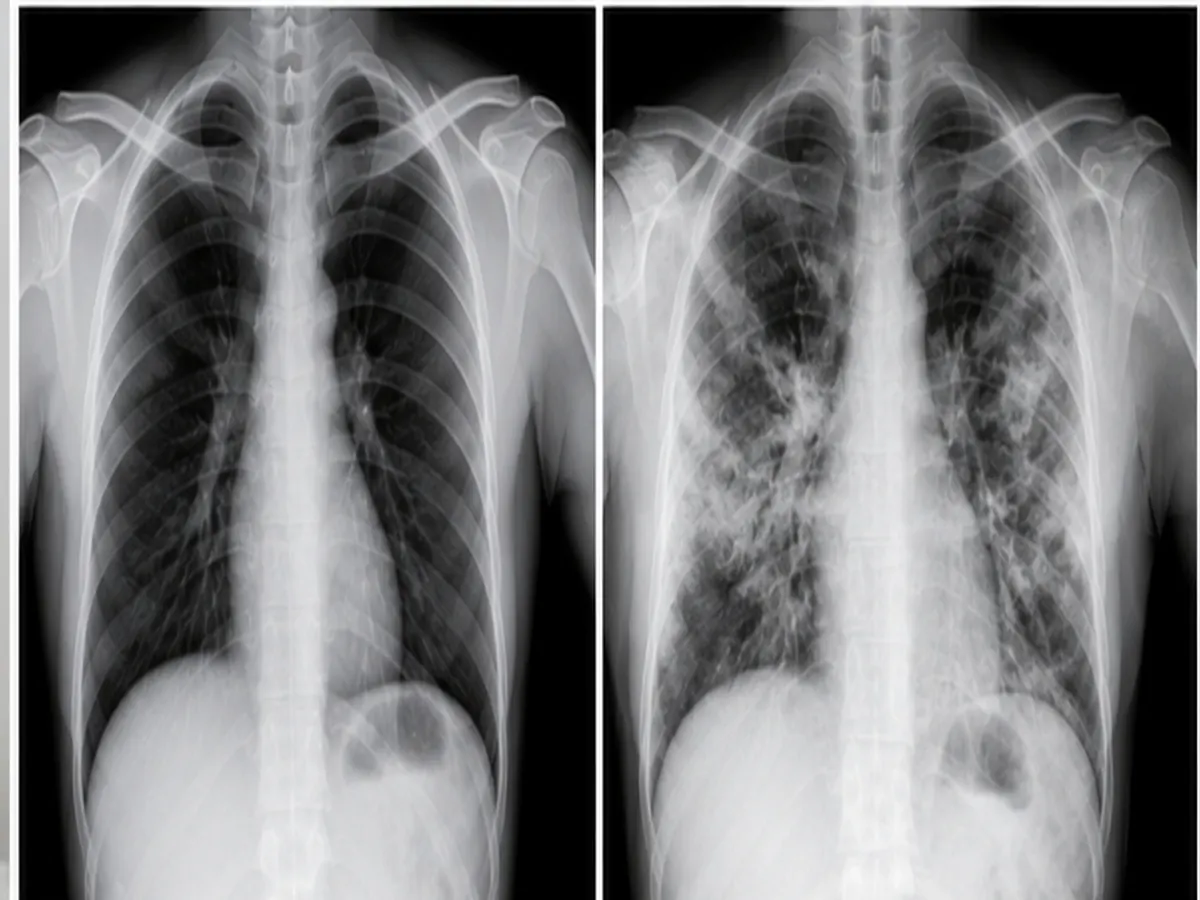
Mild cold today, severe pneumonia tomorrow?
The same viruses and bacteria can produce very different pictures in different people. That is what makes lung infections tricky — they don't announce how serious they'll be on day one.
Mild end of the spectrum
Sore throat, mild dry cough, low-grade fever, body ache — settles in a few days with rest and fluids.
Moderate
Persistent high fever, productive cough, chest discomfort, fatigue lasting beyond a week — worth a doctor's visit.
Severe — seek care urgently
Breathlessness at rest or with minimal activity, bluish lips, confusion, chest pain, or oxygen levels dropping — this can mean pneumonia and needs immediate medical attention.
Seasons, surges and epidemics
Not every lung infection follows a calendar — but many do, and knowing the pattern helps you plan.
TB — endemic, not seasonal
Tuberculosis transmits year-round wherever ventilation is poor and people share crowded indoor spaces — it doesn't wait for a “season”. Case numbers stay fairly steady through the year, with a slight rise in crowded indoor months.
Viral respiratory infections — seasonal surges
In India, colds, influenza and RSV-type illnesses typically climb during the monsoon (June–September) and again in winter (December–February), when people spend more time indoors and humidity/temperature swings favour these viruses.
Epidemics and pandemics — when a new strain appears
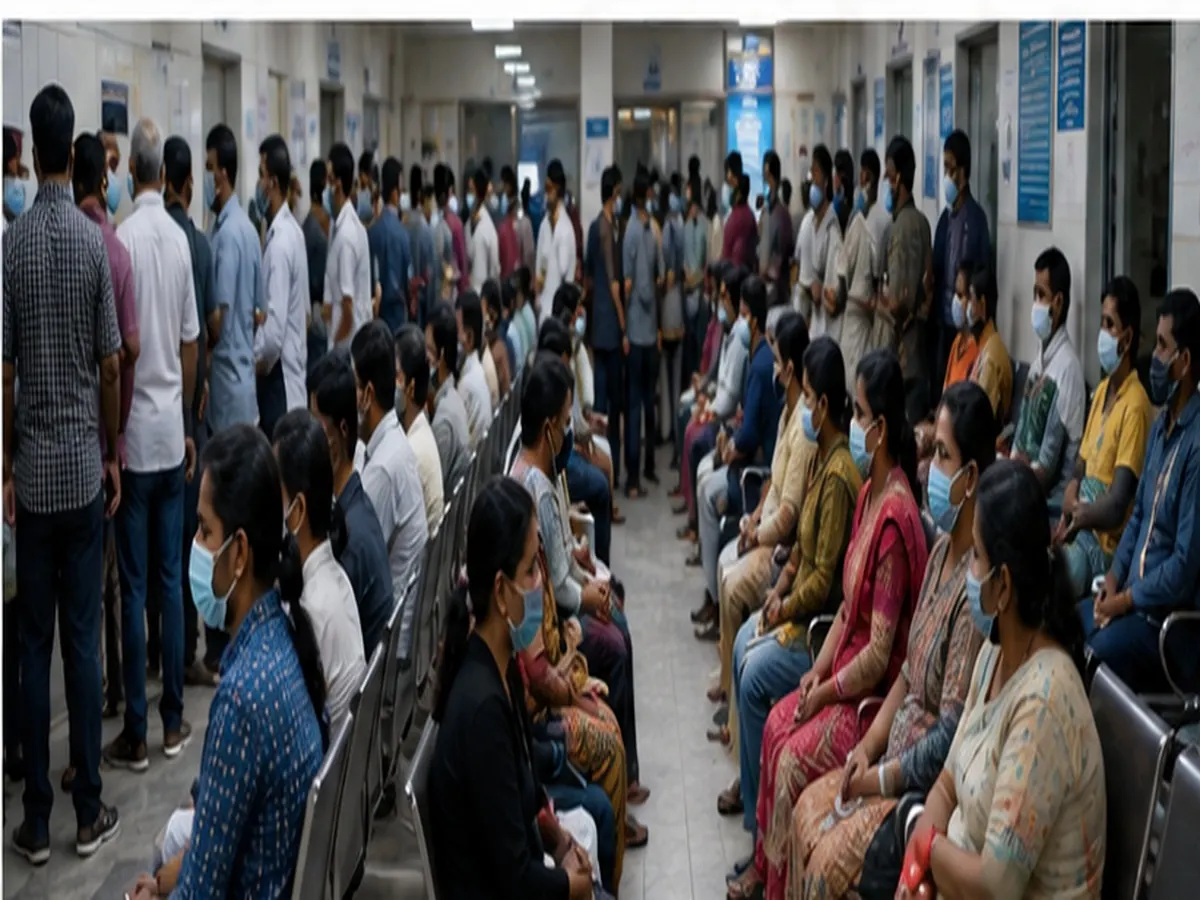
Occasionally a new virus strain (like pandemic H1N1 in 2009, or COVID-19) spreads well beyond the usual seasonal pattern because few people have prior immunity. These events can arrive in any season and cause larger, faster surges — which is exactly when masking and vaccination matter most.
If you have asthma, COPD or ILD, “just a cold” can hit harder
Airways that are already inflamed, narrowed or scarred have far less reserve. An infection that a healthy person shrugs off in days can tip a chronic lung condition into an acute flare-up, secondary bacterial pneumonia, or a hospital admission.
Asthma
A viral cold is the single most common trigger for an asthma flare in both children and adults.
Read about asthmaCOPD
Respiratory infections are the leading cause of COPD exacerbations and the hospital visits that follow them.
Read about COPDILD
Scarred, stiff lung tissue in ILD has little spare capacity — even a mild infection can cause disproportionate breathlessness.
Read about ILD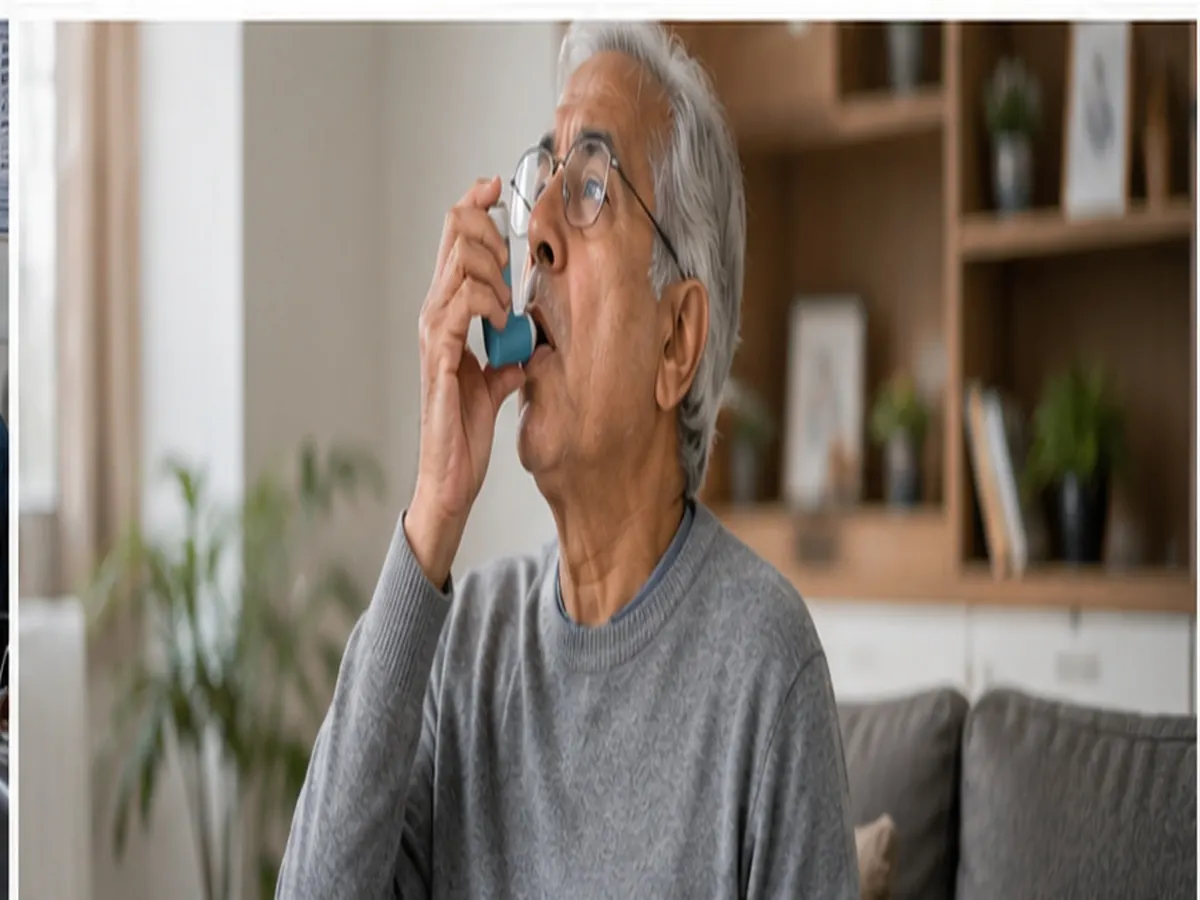
Simple habits that cut the spread
Most respiratory infections travel through the air and on hands — small, consistent habits break that chain.
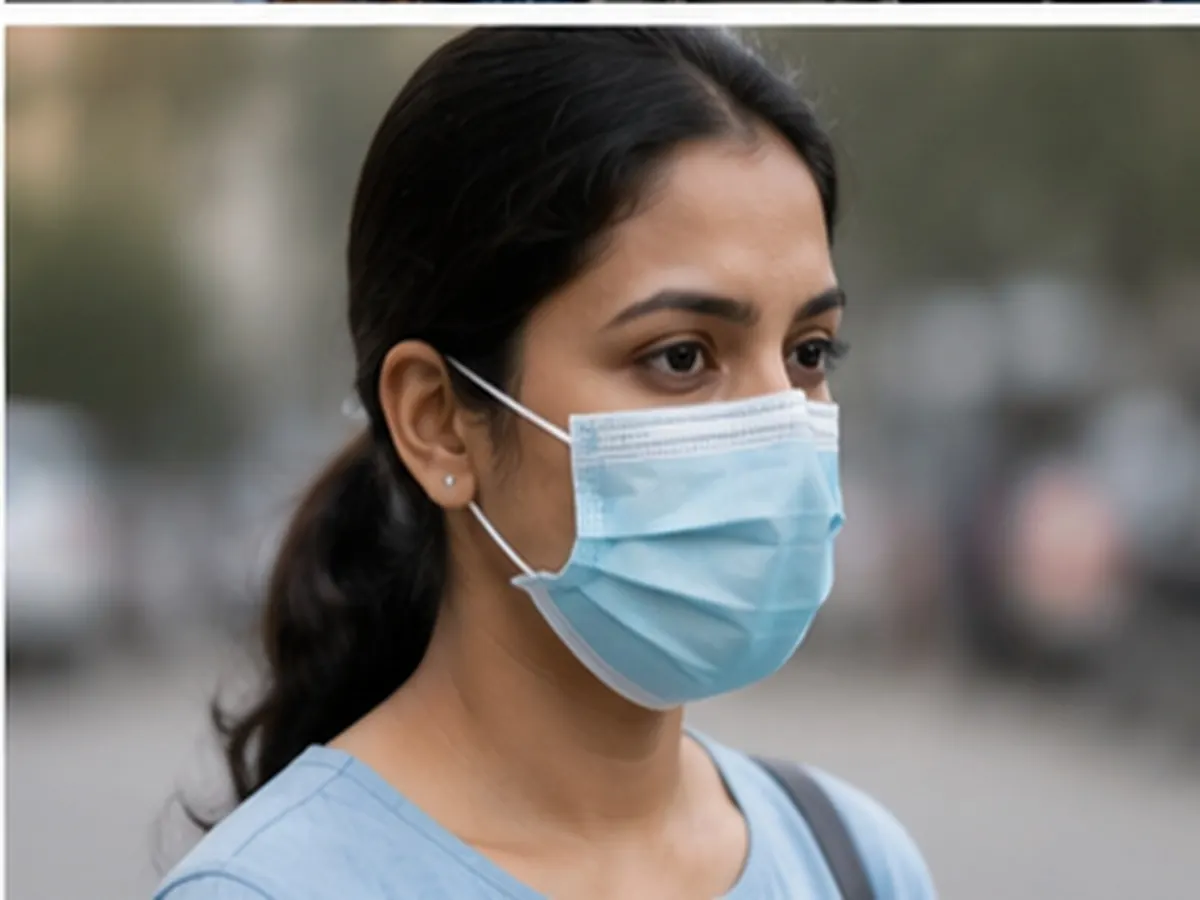
Mask up when it counts
Wear a well-fitted mask if you have symptoms, when visiting a crowded clinic or hospital, or around anyone elderly, very young, or living with lung disease.

Cough and sneeze etiquette
Cover your mouth and nose with a tissue or your bent elbow — never bare hands — and dispose of used tissues immediately.

Hand hygiene
Wash hands with soap for at least 20 seconds, or use an alcohol-based sanitiser, especially after coughing, sneezing, or touching shared surfaces.
Vaccines: your best long-term shield
Influenza vaccine — every year
Flu strains shift each year, so protection needs an annual top-up, ideally ahead of the monsoon/winter surge. Strongly recommended for those with asthma, COPD, ILD, the elderly, pregnant women and healthcare workers.
Pneumococcal vaccine — a single shot (or as advised)
Guards against pneumococcal pneumonia, a common and serious bacterial complication that often follows a viral infection. Usually given once, with a booster in specific situations as your doctor advises — particularly important for chronic lung disease and age 65+.
Ask Dr. Arun which vaccines and timing are right for your specific condition — request a consultation or book a video consultation.

Warning signs that need a specialist review
- A cough lasting more than two weeks, especially after a 'viral fever'
- Blood-stained sputum, even a single episode
- Fever with night sweats or unexplained weight loss
- Breathlessness at rest or chest pain on deep breathing
- Confusion, very low blood pressure or bluish lips — go to hospital immediately
- Pneumonia that has not cleared on a repeat X-ray after treatment
How we treat lung infections
- Targeted antibiotics guided by imaging, cultures and severity scoring — not the strongest available drug
- Full drug-sensitive or drug-resistant TB regimens with monitoring for side effects and adherence
- Oxygen, nebulisation and chest physiotherapy where breathing is compromised
- Airway clearance and pulmonary rehabilitation for bronchiectasis and post-TB lungs
- Pneumococcal and annual influenza vaccination to prevent the next episode
- A repeat X-ray to confirm the infection has completely resolved before we sign off
Non-resolving pneumonia, lung abscess, empyema and pleural collections are managed with interventional pulmonology procedures — bronchoscopic lavage, intercostal drainage and medical thoracoscopy. Residual damage after TB or severe pneumonia is measured with a pulmonary function test.
Common questions
Related reading
- Persistent & chronic cough — how it is evaluated
- Bronchial asthma guide — inhalers, triggers and control
- COPD guide — spirometry, inhalers and flare-ups
- Interstitial lung disease (ILD) — when scarring mimics infection
- Bronchiectasis & post-TB lung damage — repeated chest infections
- Pleural effusion & empyema — fluid around the lung
- Lung cancer — screening, biopsy and staging
- Interventional pulmonology — bronchoscopy, BAL, pleural procedures
- All conditions we treat
- Clinic address, timings and directions
Common myths — and what is actually true
“Every cough with fever needs an antibiotic.”
Most acute coughs are viral and settle without antibiotics. Taking them unnecessarily causes side-effects and resistance without shortening the illness — what matters is recognising who does need them.
“Tuberculosis is a disease of poverty and does not affect people like me.”
TB is airborne and affects every income group. Diabetes, steroid or immunosuppressive treatment, smoking and previous lung disease all raise the risk.
“Once I feel better, I can stop the TB tablets.”
Stopping early is the main reason TB becomes drug-resistant. The full course must be completed even after symptoms disappear — which is why follow-up visits are part of the treatment.
“Pneumonia vaccines are only for children.”
Pneumococcal and influenza vaccination are recommended for adults with COPD, asthma, ILD, diabetes and low immunity, and for older adults. They reduce hospital admissions.
“A wet cough should be suppressed with cough syrup.”
Clearing sputum is useful, not harmful. Sedative cough suppressants can retain secretions; hydration, airway clearance and treating the cause work better.
“Recurrent chest infections are just weak lungs.”
Repeated infections have causes worth finding — bronchiectasis, post-TB damage, aspiration, uncontrolled asthma or COPD, low immunity or an airway obstruction.
When should you see a pulmonologist for a chest infection?
- Cough, fever or sputum that is not improving after a week to ten days.
- Cough lasting more than three weeks, especially with weight loss, night sweats or blood in the sputum.
- Two or more chest infections in a year, or the same area of the lung affected repeatedly.
- An infection on top of asthma, COPD, ILD, diabetes, cancer treatment or immunosuppression.
- Fluid around the lung, a cavity or a persistent shadow reported on your X-ray or CT.
How Lung Care can help
- Sorting viral from bacterial illness and from tuberculosis, so treatment is targeted rather than repeated courses of antibiotics.
- Sputum and microbiological testing, and bronchoscopic sampling when sputum is unhelpful or the diagnosis is uncertain.
- Pleural procedures — ultrasound-guided tapping, drainage and thoracoscopy — when fluid or empyema is present.
- Looking for the reason behind recurrent infections, including bronchiectasis and post-tuberculosis lung damage.
- Vaccination, airway clearance and inhaler review to reduce the next episode.
Tests and services this involves
Bronchoscopy, EBUS, cryobiopsy and medical thoracoscopy — tissue and lymph-node sampling under one roof.
Spirometry with bronchodilator reversibility, lung volumes and diffusion capacity (DLCO) on calibrated equipment.
Flare-ups are usually infection-driven — how to recognise and prevent them.
Why chest infections destabilise asthma, and what to change during one.
Infections in scarred lungs need earlier and closer assessment.
MBBS, DNB (Pulmonary Medicine), MNAMS, IDCCM, EDARM — consultant interventional pulmonologist and sleep physician, RS Puram, Coimbatore.
About the doctor performing the bronchoscopy
Procedure-level detail and Dr. Arun's academic profile live on his professional website.
Not sure if your cough needs a visit?
If you have breathlessness, high fever, chest pain, or symptoms that aren't easing after a week, don't wait it out — get checked.
This page is for general patient education and does not replace a medical consultation. If you are breathless, have persistent high fever, chest pain, or bluish lips, seek emergency care immediately.
Written and medically reviewed by Dr. Arun Gangadhar
MBBS, DNB (Pulmonary Medicine), MNAMS, IDCCM, EDARM — Consultant Interventional Pulmonologist & Sleep Physician, Lung Care, RS Puram, Coimbatore.
Published: July 2026 · Last reviewed: August 2026
References & guidelines
This page is general information, not a substitute for a consultation. For advice specific to you, book an appointment.